

Are You Burned Out—or Have You Just Gotten Really Good at Functioning While Burned Out?
Burnout is tricky because most of us have a picture in our heads of what it is supposed to look like. You can't get out of bed. You stop getting things done. You can't work. You fall apart. But what if you don't?

It's Almost Back-to-School Time: What Should We Keep in Mind?
As summer begins to wind down, it's hard to believe another school year is right around the corner. Whether you're preparing to send your child to kindergarten, helping a teen transition to middle or high school, starting college or graduate school, or stepping into the classroom as a first-year teacher, back-to-school season often brings a mix of emotions.

What Impacts Does Screen Time Have on the Developing Brain?
We live in a world where technology is getting "bigger and better" every year. New phones, tablets, gaming systems, social media platforms, and AI tools are constantly being introduced into our lives. Technology has created incredible opportunities to learn, connect, and solve problems, but it has also sparked important conversations about how much screen time is too much, and what those hours in front of a screen may be doing to our brains.

Is Psychedelic-Assisted Therapy Right for Me?
Psychedelic-assisted therapy has become one of the most talked-about approaches in mental health. Depending on where you look, it's either described as a miracle cure or something to fear. In my experience, the truth is much more nuanced. I've seen psychedelic-assisted therapy help people create profound shifts in healing, especially when they feel like they've reached a dead end with traditional approaches. I've also seen people pursue it for the wrong reasons and leave disappointed because they expected the medicine to do the work for them. So how do you know if it's right for you? The answer has less to do with the medicine itself and more to do with your readiness for the therapeutic process.

How Long Does It Take to Recover From Autistic Burnout?
If you're searching for this question, chances are you're exhausted. Not just tired after a long week. Not in need of a weekend off. Exhausted in a way that feels like you've lost access to yourself. Maybe you're wondering why things that used to feel manageable suddenly feel impossible. Maybe you're struggling to work, socialize, make decisions, or tolerate everyday sensory input. Maybe you've started questioning whether you're lazy, depressed, or simply failing at adulthood. As a therapist, one of the most common patterns I see is that people don't realize they're experiencing autistic burnout. They assume they're dealing with stress, anxiety, depression, or "regular" burnout. They spend months trying to push through it before someone finally names what's happening. That delay often makes recovery take even longer.
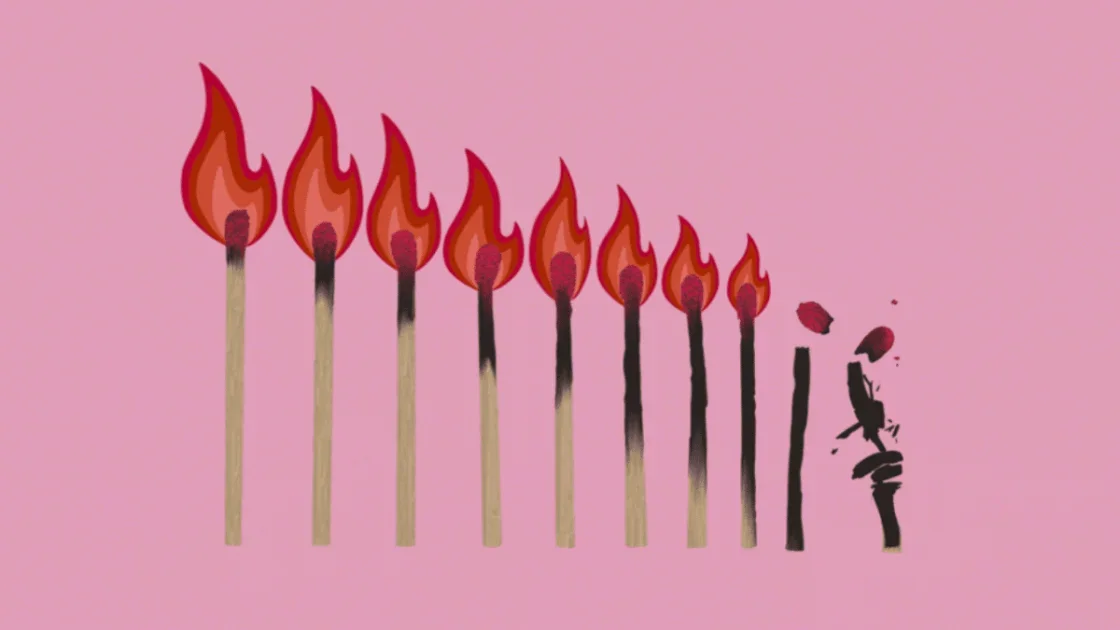
How to Recognize Burnout Before It's Too Late
One of the hardest parts about burnout is that it rarely announces itself. It doesn't usually arrive with flashing lights and a dramatic collapse. Instead, it sneaks in quietly. You stop enjoying the things you used to love. You start functioning on autopilot. You convince yourself that once you get through this week, this project, this season, you'll finally feel like yourself again.
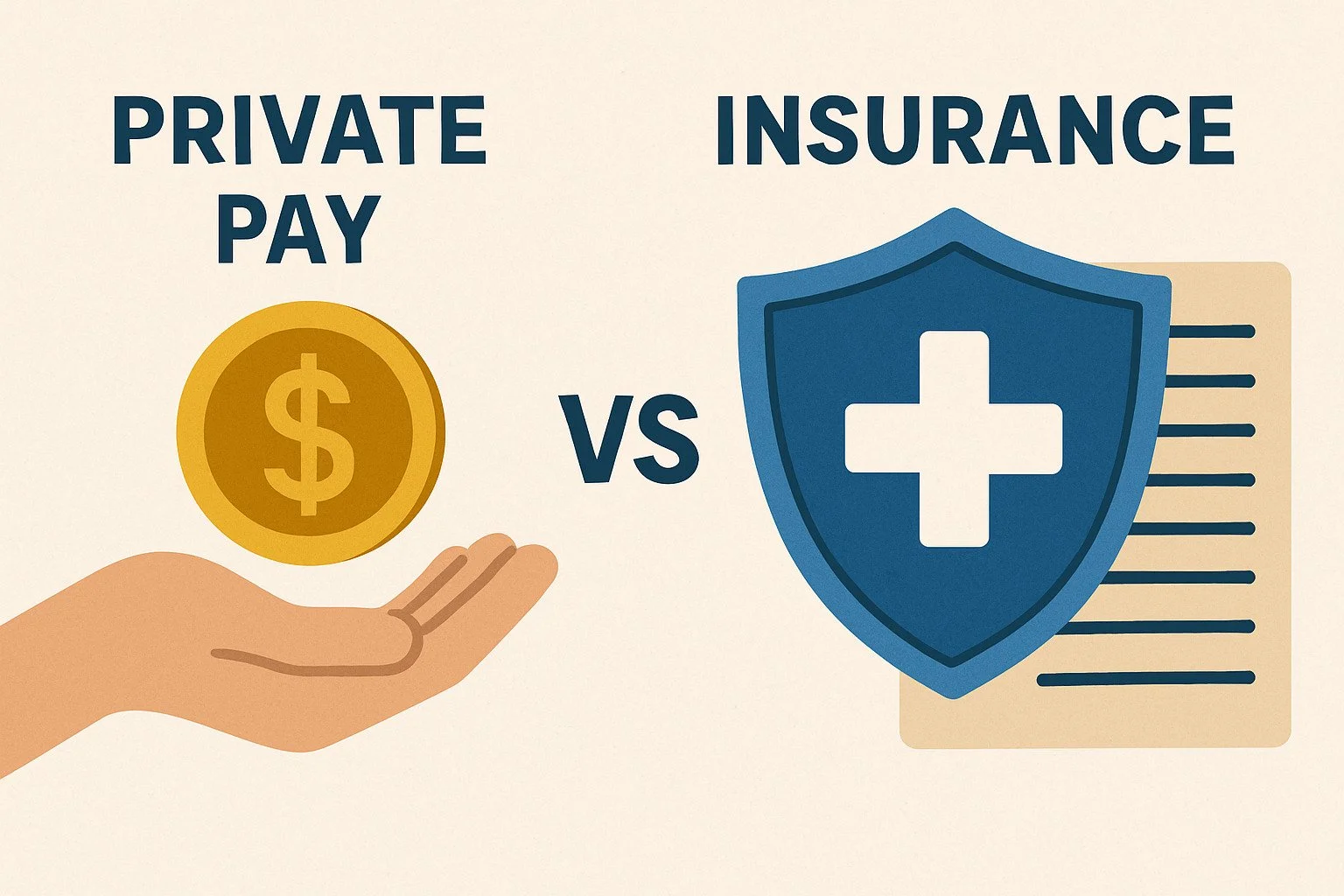
Why Private Pay Therapy Can Be Worth the Investment
One of the first questions people ask when looking for a therapist is: "Do you take my insurance?" It's a completely understandable question. Therapy is an investment, and most of us have been taught that if we have health insurance, we should use it. But what many people don't realize is that using insurance comes with trade-offs—some of which can directly impact the quality, flexibility, and privacy of your mental health care. At Being Human Group, we are shifting to a private pay practice. That decision wasn't made to make therapy less accessible. It was made because we believe the therapeutic relationship should be guided by what is best for you—not by what an insurance company is willing to approve. Here's why.

Nervous System Overwhelm: What It Means and How to Manage It
Our nervous system works behind the scenes to help us navigate daily life, respond to stress, and keep us safe. When stress becomes chronic or overwhelming, the nervous system can struggle to keep up. This can leave people feeling anxious, emotionally exhausted, disconnected, reactive, or even completely shut down.
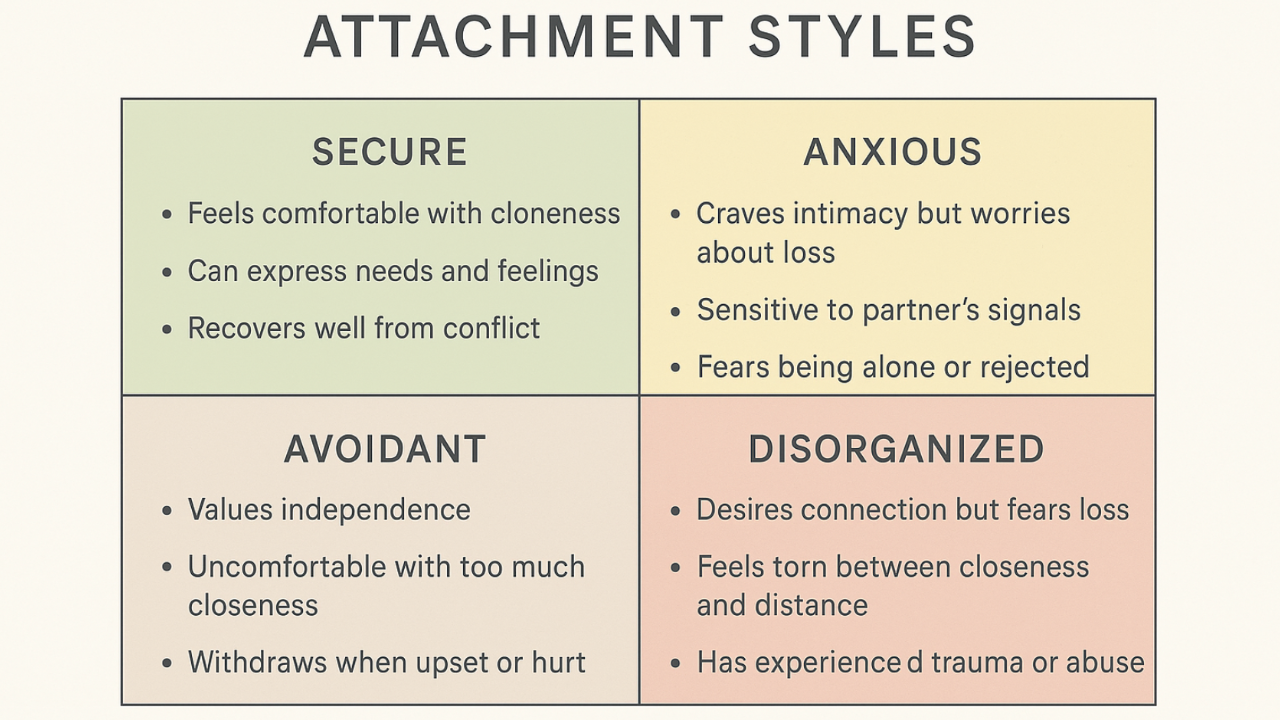
Attachment Styles: How Do Our Earliest Relationships Shape Us, and How Can We Grow?
Have you ever noticed any patterns in your relationships? Whether that’s feeling secure and connected, or anxious, distant, or unsure? Attachment theory offers a powerful lens for understanding these experiences. Developed by John Bowlby and expanded by Mary Ainsworth, attachment theory explains how our early relationships shape how we connect with others across the lifespan.
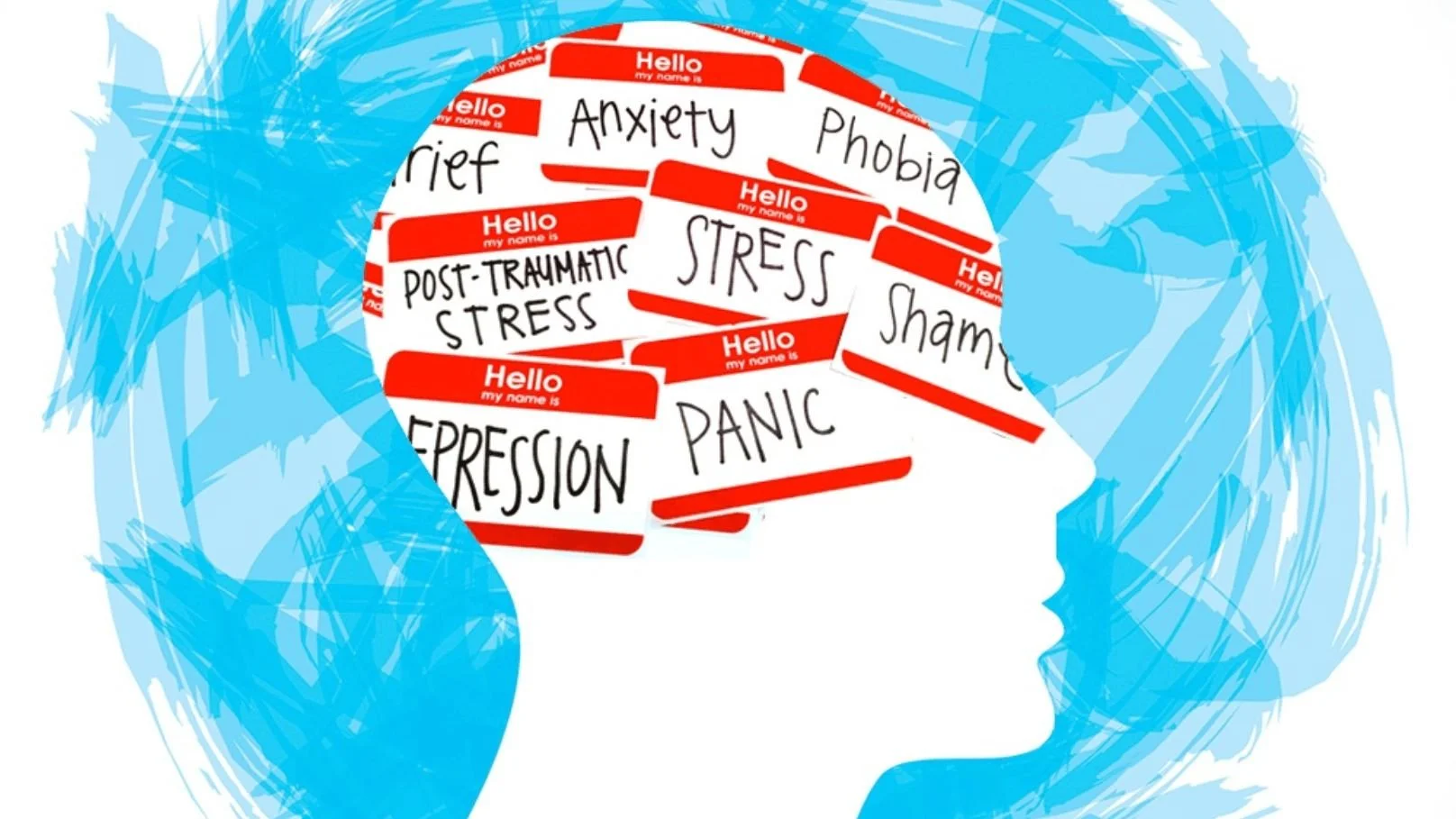
Why Affirming Care Matters: Co-occurring Disorders in the LGBTQIA2+ Community
A co-occurring disorder is when an individual has a mental health and substance use disorder simultaneously. Due to constant minority stress research shows that individuals who are part of the queer community do not typically have a substance use disorder without a mental health condition that got them there.

Biosocial Theory of Borderline Personality Disorder: Understanding Emotion Dysregulation Through a DBT Lens
Many of our clients who are diagnosed and clinicians within our field don’t know the origin of the name Borderline Personality Disorder (BPD). Far back in history when our field began to emerge, and physicians would diagnose clients with mental health disorders they had two choices, psychotic or neurotic.

Healthy Relationships Matter for Your Mental Health
Social relationships are at the core of the human experience. The connections we build whether with partners, friends, family members or colleagues can profoundly impact the ways that we think, feel and behave. For most people, the quality of these relationships plays a significant role in overall mental health and well-being.

Mastering Transference and Countertransference in the Therapeutic Relationship
Navigating the emotional complexities of the therapeutic relationship requires a deep understanding of core relational concepts. Transference and countertransference are something that every client, and therapist experiences, and knowing how to utilize it and accepting its occurrence are important in the helping relationship. Being aware of it helps a therapist see how they are showing up within the helping relationship, and how their behavior could be affecting their client.

How to Communicate Better in Relationships: Therapist-Backed Tips
Communication is something we hear about all the time. And yet, it’s often where relationships struggle the most. Whether it’s with a partner, friend, family member, or even a colleague, communication shapes how safe, understood, and connected we feel. While many of these tips may seem like common sense, the reality is that we don’t always practice them, especially when emotions feel high.Sometimes, we just need a little reminder. Think of this as your guide to come back to!

The Connection Between Sleep and Mental Health
Sleep does more than help you feel rested: it shapes your overall health. When you sleep well, your brain works better, your emotions stay balanced, and you’re better equipped to navigate life’s challenges. But ongoing sleep problems can disrupt mood, impair thinking, weaken immunity, and contribute to serious health risks over time.
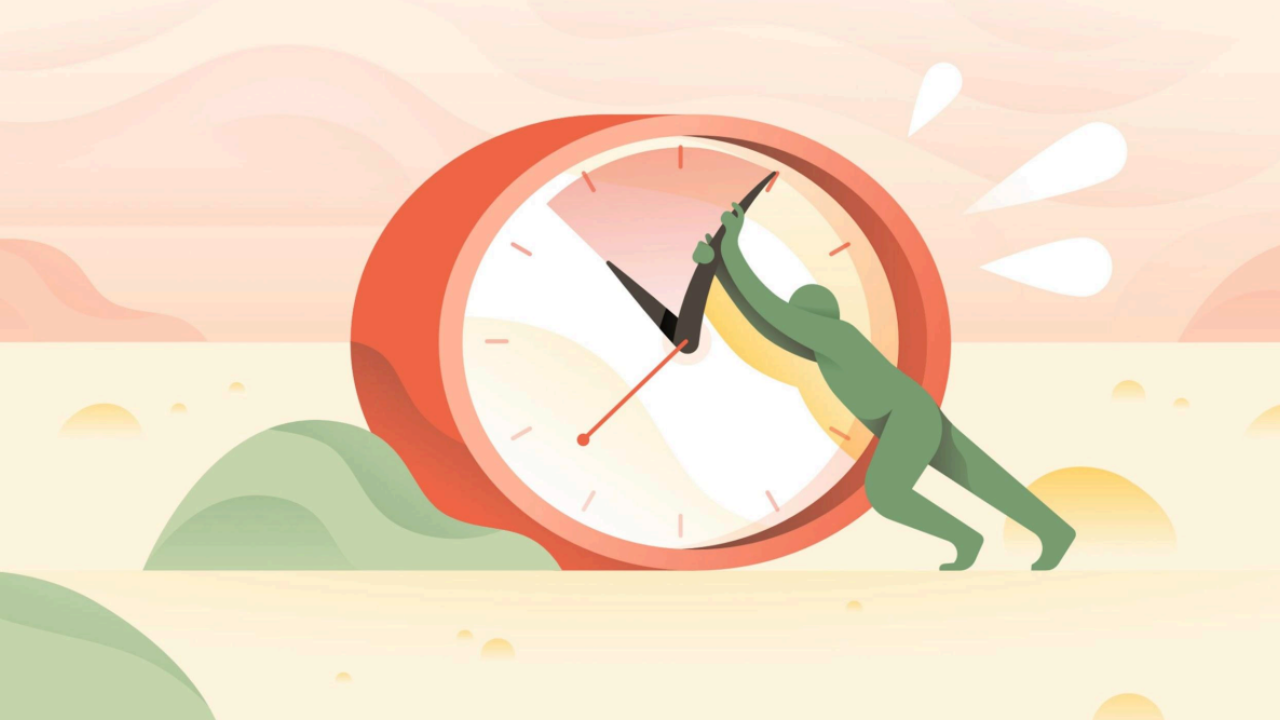
Understanding and Overcoming Procrastination: A Guide from Being Human Group
We all know the feeling of putting off that task we know we need to do, only to find ourselves scrolling, cleaning, or staring blankly at the screen. You’re not alone! Procrastination is something nearly everyone experiences, and it’s not just about laziness or willpower. At Being Human Group, we want to help you understand what procrastination really is, why it happens, and how you can break the cycle with practical support and strategies!

Transgender Allyship: Showing Up for the Community
With March housing International Transgender Visibility Day, we wanted to pass on some education on showing up for the Transgender Community. It is not simply saying that you care for them but showing up for them through actions and daily practices. In this post we will discuss ways to live in action and explain why behind all of these actions. The Trans community is one of the most marginalized communities in the world, and when you add in black and brown Transgender individuals you have increased the violence and hate tenfold.

Mental Health Myths that Keep People from Getting Help
Misinformation about mental health can spread quickly! Many people delay or completely avoid seeking support because they believe things that simply are not true. At our Plymouth, Michigan based therapy practice, we believe education is empowering. We will be looking at some of the most common mental health myths and replacing them with facts that foster understanding and healing.

Social Connections: Genuine vs. Pseudo
It is the season of love, and connections are everywhere we look. We are seeing them on our TV, social media, in our communities, and these connections are as vital to our well being as a routine or feeling safe. Many people in the United States experience feelings of loneliness regularly. Social connections are vital to human biology, and when someone feels like they don’t have a social network it can cause an increased risk of physical and mental health problems. Love, belonging, and connection gives a human’s life purpose. Genuine connections with others may look a little different than you currently think, and making them isn’t always second nature. At Being Human Group we understand that life is busy, and social engagement can be difficult for some of us. We are all only human after all.

Black History Month: A Reflection on Mental Health, Resilience, and Healing
February is Black History Month! This is a time to honor the achievements, cultural heritage, and ongoing struggles of Black and African American communities. It’s also a time to reflect on mental health, which is an essential aspect of the human experience that is often overlooked, misunderstood, and stigmatized within Black communities.