
Nervous System Overwhelm: What It Means and How to Manage It
May 20, 2026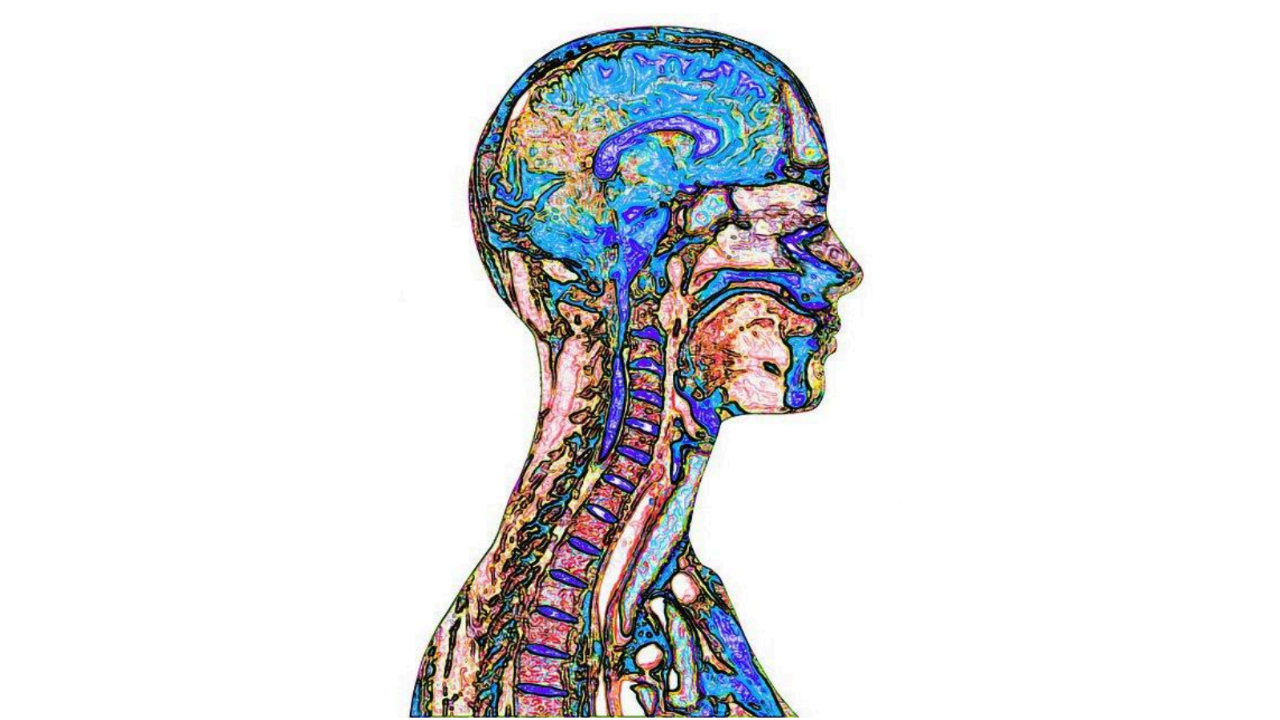
Our nervous system works behind the scenes to help us navigate daily life, respond to stress, and keep us safe. When stress becomes chronic or overwhelming, the nervous system can struggle to keep up. This can leave people feeling anxious, emotionally exhausted, disconnected, reactive, or even completely shut down.
Imagine someone who has been juggling work deadlines, family responsibilities, financial stress, and little sleep for weeks on end. They may feel constantly “on edge,” easily irritated, unable to relax, and stuck in survival mode. Their thoughts race, their body feels tense, and even the smallest tasks feel overwhelming. This is what an overwhelmed nervous system can look like.
Now imagine someone else who has been under stress for so long that instead of feeling anxious and activated, they feel numb, disconnected, exhausted, and emotionally shut down. They may struggle to get out of bed, avoid social interaction, or feel detached from themselves and others. Even basic tasks like showering, answering texts, or cooking a meal can feel impossible. This can happen when the nervous system becomes so overwhelmed that it shifts into a protective shutdown state.
The goal of this post is to help you better understand the nervous system, recognize signs that something may be off, and explore tools and treatment options that can support regulation and healing!
A Breakdown of the Nervous System
The nervous system is the body’s communication center. It controls movement, thoughts, emotions, breathing, heart rate, digestion, and how we respond to stress and danger. One of the most important parts of the nervous system is the autonomic nervous system, which operates outside of our conscious awareness.
*The autonomic nervous system has two branches: the sympathetic nervous system and the parasympathetic nervous system.*
The sympathetic nervous system is often known as the “fight-or-flight” system. Its role is to help protect you during times of stress or danger. When activated, your body prepares to respond quickly. Your heart rate may increase, your muscles tense, breathing becomes faster, and stress hormones are released. This response is helpful in short bursts because it is designed to keep you safe.
The parasympathetic nervous system is often referred to as the “rest-and-digest” system. This system helps the body slow down, recover, and conserve energy. It supports relaxation, digestion, sleep, emotional regulation, and healing. When this system is active, the body can return to a calmer and more balanced state.
*Both systems are essential. The goal is not to eliminate stress responses altogether, but rather to allow the nervous system to move flexibly between activation and rest depending on what is needed.*
What a Regulated Nervous System Looks Like
When the nervous system is regulated, the body is better able to maintain balance and respond to stress in manageable ways. While no one feels calm all the time, a regulated nervous system allows people to recover from stress more effectively.
A regulated nervous system may look like:
- Being able to think clearly and rationally
- Feeling emotionally grounded most of the time
- Managing stress without becoming overwhelmed
- Sleeping relatively well
- Completing everyday tasks with more ease
- Feeling connected to yourself and others
- Experiencing moments of calm, safety, and stability
In many ways, regulation is similar to homeostasis, which is the body’s ability to maintain internal balance. Stress still happens, but it does not completely take over the body or mind.
What a Dysregulated Nervous System Looks Like
When the nervous system becomes dysregulated, the body may stay stuck in a prolonged state of stress, hypervigilance, or shutdown. Over time, this can impact emotional, physical, and cognitive functioning.
Signs of nervous system dysregulation can include:
- Poor sleep or chronic fatigue
- Feeling constantly anxious or on edge
- Emotional outbursts or irritability
- Difficulty concentrating or making decisions
- Feeling disconnected, numb, or shut down
- Changes in appetite or digestion
- Struggling with personal hygiene or daily responsibilities
- Experiencing chronic muscle tension or headaches
- Feeling stuck in fight, flight, freeze, or shutdown states
For many people, these responses are NOT a sign of weakness. They are the body’s attempt to adapt to prolonged stress, trauma, overwhelm, or feeling unsafe.
Techniques and Treatments Available to Help Regulate the Nervous System
Nervous system regulation looks different for everyone. A person’s history, environment, trauma experiences, stress levels, and personal preferences all play a role in determining what approaches may feel most supportive. What works well for one person may not work for another, which is why treatment often needs to be individualized.
Therapists frequently tailor interventions to each client’s unique needs and nervous system responses. In addition to therapy, there are also practical tools people can use in everyday life to support regulation.
Some accessible nervous system regulation strategies include:
- Deep breathing exercises
- Grounding techniques using the five senses
- Gentle movement such as stretching or walking
- Spending time outdoors
- Listening to calming music
- Limiting overstimulation when possible
- Prioritizing sleep, hydration, and nutrition
- Practicing mindfulness or meditation
- Connecting with supportive people
For individuals needing additional support, therapy approaches such as trauma-informed therapy, cognitive behavioral therapy (CBT), somatic therapies, EMDR, mindfulness-based interventions, and nervous system-focused treatments may be beneficial.
*Healing does not happen overnight, and regulation is not about being calm all the time. It is about helping the body feel safer, more supported, and more capable of returning to balance after stress.*
Safe and Sound Protocol (SSP)
One nervous system-focused intervention that may be used alongside talk therapy is the Safe and Sound Protocol (SSP). SSP is a listening-based intervention designed to support nervous system regulation through specially filtered music.
The protocol works by stimulating the vagus nerve, one of the body’s largest nerves, which plays a major role in nervous system functioning, emotional regulation, and the body’s sense of safety. The filtered sounds are designed to help the nervous system better recognize safe sounds and human voices, which may improve feelings of connection, calmness, and regulation over time.
The therapeutic relationship also plays an important role in the SSP process. Therapists help create a safe, supportive environment while guiding clients through the intervention in a way that aligns with their nervous system needs and readiness.
Safe and Sound Protocol (SSP) Is Offered at Being Human Group
At Being Human Group, the Safe and Sound Protocol is offered through both student therapists and licensed therapists. SSP may be integrated into treatment alongside traditional talk therapy depending on a client’s goals, needs, and clinical recommendations.
*If you are interested in learning more about SSP and whether it may be a good fit for you, we encourage you to explore the information available on our website and discuss it further with your clinician.*
Key Takeaways About Managing Nervous System Overwhelm
The nervous system plays a powerful role in how we think, feel, and respond to the world around us. When the nervous system becomes overwhelmed, it can affect nearly every aspect of daily life, from emotional well-being to physical health and relationships. Understanding the signs of dysregulation is an important first step toward healing and support.
Whether someone feels constantly activated, emotionally shut down, or somewhere in between, support is available. Regulation often begins with small consistent steps, compassionate self-awareness, and safe supportive relationships.
If you are interested in learning more about therapy services or nervous system-focused interventions, schedule a free consultation today!
About Our Michigan Therapists
The expertly trained and compassionate therapists at Being Human Group are licensed mental health professionals offering affirming, trauma-informed care to clients across Michigan through in-person sessions in Plymouth and Grosse Ile and convenient online therapy statewide. Our team brings advanced training and lived awareness in areas like trauma recovery, anxiety, depression, LGBTQIA+ mental health, relationship concerns, and life transitions, all grounded in a Health at Every Size and anti-oppressive, queer-affirming lens.
When you reach out for a consultation about therapy, you are matched with a therapist whose background, specialties, and style align with your goals so you can access both practical tools for right now and deeper healing for long-term change. When you're ready, reach out and take the next step toward a more grounded, authentic life.
